
UGC8 min read
What is UGC content, and why Dubai brands are betting on it
UGC is short form video you own, made to look like it was filmed by a real person. Here is how it works and how to run it well for a Dubai brand.
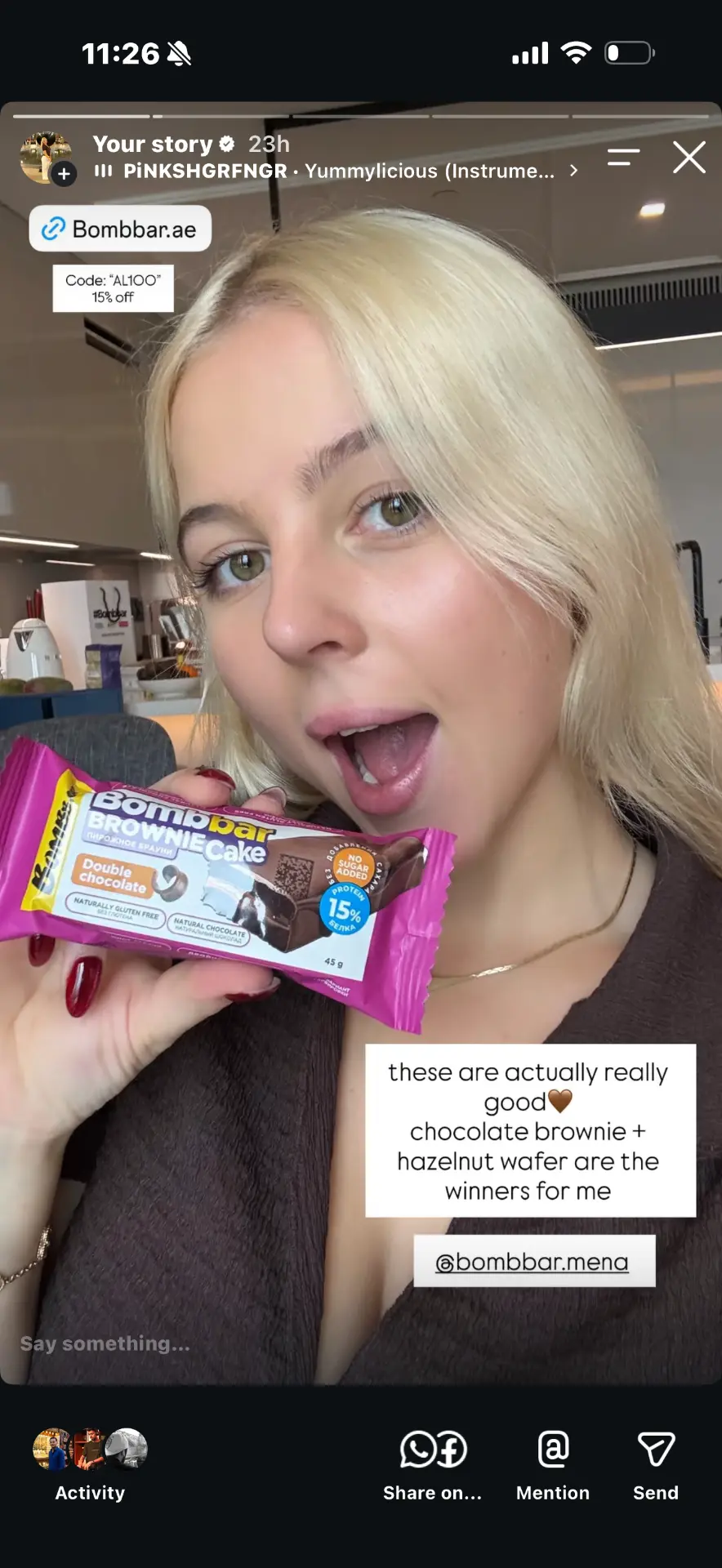
UGC stands for user generated content, a term that has drifted far enough from its original meaning to confuse most people who search it. It once described content your actual customers made. Today, when a Dubai brand says it wants UGC, it means something specific: short form video that looks like a real person filmed it on their phone, produced deliberately, and owned by the brand.
That last point is where the value sits, and where the idea is most often misunderstood.
How UGC differs from influencer marketing
Influencer marketing buys access to someone's audience. You pay for their followers to see your product, the post lives on their profile, and when the campaign ends the asset largely goes with it.
UGC buys the footage. Three things follow from that.
- You own the file. It runs on your feed, in your ads, on your website and in your email. Usage rights should be written into the brief and usually run twelve months or in perpetuity depending on the fee.
- Follower count matters little. A creator with 400 followers who performs well on camera can be worth more than one with 90,000 who reads a script flatly. You are hiring delivery, not distribution.
- It scales. One influencer post is one post. A UGC retainer produces a library, and the library is what makes paid advertising work.
Both have a place. Influencer collaborations help with credibility and launch moments in a city where trust travels through people. UGC provides the underlying content. When we build a social media and content programme for a client, UGC is usually the base layer with influencer work on top.
Why it performs on Reels and TikTok
This is about how the feed works rather than any failing of polished film. A scrolling viewer decides in under a second whether they are looking at a person or an advertisement, and anything that reads as an advertisement in the first frame tends to get scrolled, which the platform then learns from.
Cinematic brand film signals itself quickly through the colour grade, the slow push in, the music bed and the logo. That looks strong on a website. In a feed it invites the skip before the message lands.
Native looking video buys a couple more seconds, and those seconds are where the decision happens. Once someone watches past three seconds the platform treats the impression as meaningful and shows the video to more people. That is the mechanism behind reach on short form.
On these platforms you are competing with a viewer's friends, and their friends film on a phone.
The formats that perform
Hook led talking head
A person to camera, opening with a specific claim or tension, then delivering the payoff in twenty to forty seconds. The workhorse format. It travels because it needs no location or props, and it converts because a face carries trust a product shot cannot.
POV
Filmed from the customer's perspective: walking into the clinic, opening the app, unpacking the delivery. It places the viewer inside the experience. Strong for hospitality, retail and anything with a physical space worth seeing.
Unboxing
Still effective and still underrated, though often over produced. The tension of not seeing the product for the first several seconds is what drives it. With good packaging, this is inexpensive content.
Day in the life
Well suited to founder led and service brands where the person is the offer: consultants, clinics, studios, gyms and agencies. It conveys the standard of the operation without stating it.
Testimonial
A real customer, unscripted, filmed simply. The lowest production value of any format and often the highest conversion rate, particularly as paid creative. One point for the UAE: get written consent before running someone's face in an ad.
How many videos a month you need
The honest answer is more than most brands expect. Short form is a testing medium. You learn which hook works by running several, and one strong performer in eight is a normal, healthy rate.
Realistic floors, based on what we see:
- Four a month: enough to keep a profile active and credible when someone checks you out. Not enough to grow.
- Eight to twelve a month: enough to see patterns, learn which hooks land and start to compound. Where most brands should sit.
- Twenty or more a month: growth as a deliberate strategy, with enough volume that a strong outlier becomes likely rather than lucky.
Those bands map to our three plans at AED 3,000, AED 8,000 and AED 15,000 a month, which we set up for this reason.
How to brief a UGC creator
Weak briefs produce weak videos, and most share one flaw: they describe the product instead of the moment. Here is the structure I use.
- The hook, written word for word. This carries most of the outcome, so do not leave it to chance.
- One message. Not three features.
- The setting, and what the creator should be doing with their hands. Idle hands look staged.
- Tone reference: two existing videos, linked, with a note on what to copy.
- What to avoid: no brand voice, no reading, no logo in frame, no product held up like a shopping channel.
- Technical basics: vertical, natural light, audio from the phone if you want it to feel native, thirty to forty five seconds.
- Deliverables: raw footage plus edit, and the usage rights you are buying.
Turning winners into ads
This step separates brands that post from brands that grow. Publish organically first and let the feed show which hook people respond to. Anything that clears roughly double your account average on watch time or saves is a candidate.
Then take the winners and do three things:
- Put budget behind them as paid creative. You are amplifying content the audience already responded to, which is why UGC ads tend to beat studio ads on cost per result.
- Recut the same body with three new hooks. The middle is expensive to produce and the hook is cheap to change, and the hook drives performance.
- Rebuild the winner with a different creator and setting after about six weeks, before fatigue sets in. Creative fatigue on Meta usually shows within three to four weeks at meaningful spend.
Measuring it
Views are the least useful number on the dashboard, since they only tell you the platform showed the video to people. These are the four I read.
- Hook rate: the share who watch past three seconds. Below 30 percent, the first line needs work and the rest matters less.
- Average watch time as a share of length. A 40 second video holding 22 seconds is doing well. A 12 second video holding 6 is not, whatever the view count.
- Saves and shares. Shares drive reach and saves signal intent. In our accounts, saves track enquiries more closely than likes.
- Cost per result on the paid side, and profile visits to follows on the organic side. That second ratio shows whether the content and the profile tell the same story.
One more point, plainly. A video with 1.6 million views and no enquiries is entertainment. A video with 9,000 views that fills your calendar is doing its job. I have made both, and I pay more attention to the second.
Where to start
Pick one format, write five hooks for the same message, film all five in one sitting, publish them over two weeks and read the hook rates. That single exercise will teach you more about your audience than three months of planning.
If you would rather not build the process from scratch, that is what we do. Have a look at our UGC agency service in Dubai, or tell us about your brand and we will map out the volume you would need.
Frequently asked questions
What does UGC mean?
UGC stands for user generated content. For a brand today it means short form video that looks like a real person filmed it on their phone, produced deliberately and owned by the brand so it can run on the feed and in ads.
How is UGC different from influencer marketing?
Influencer marketing pays for access to someone's audience, and the post lives on their profile. UGC buys the footage itself, so you own the file, follower count matters little, and the content can be reused as paid creative.
How many UGC videos do I need each month?
Four a month keeps a profile active but is not enough to grow. Eight to twelve a month is enough to learn which hooks work and start to compound. Twenty or more a month makes growth a deliberate strategy.
Does UGC work for paid ads?
Yes. Native looking video tends to beat polished studio ads on cost per result, because it holds attention in the feed. The usual approach is to test organically first, then put budget behind the pieces that already performed.

Written by
Mercedes Reuter
Founder & Creative Director, Mercedes Reuter Marketing Management
German-born, Dubai-based. I build content and marketing programmes for founder-led brands, and I test everything on my own account first.
@my.mercedesx
Next step
Let's put this to work on your brand.
Tell us where you are and what you're trying to reach. The first consultation is free and we'll be straight with you about what it takes.